


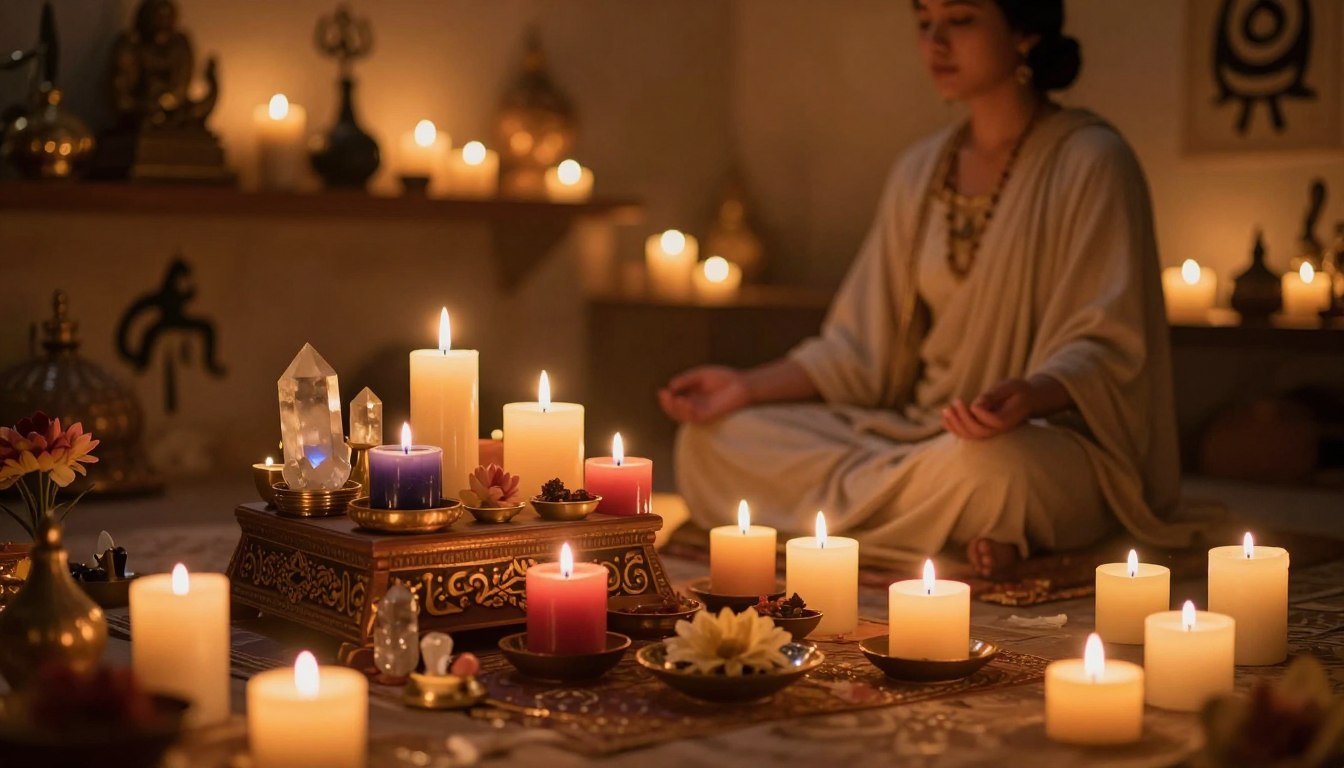
For centuries, candles have marked moments of prayer, reflection, remembrance, and transition across various cultures. The soft glow of candlelight has been used to create a sense of calm, focus the mind, and give meaning to intentional moments.
The simple act of lighting a candle has become a universal symbolism of hope, peace, and spiritual connection. In many cultures, light represents a bridge between the physical and spiritual worlds, fostering a sense of presence and reflection.
We will explore how different cultures have incorporated candles into their most meaningful rituals and how these traditions continue to influence our modern practices, providing a deeper understanding of the meaning behind these timeless customs.
Key Takeaways
- Candles have been used across cultures for centuries as symbols of light, hope, and spiritual connection.
- The act of lighting a candle creates a sacred space for reflection, intention-setting, and connection to something greater.
- Candlelight represents a universal symbolism of peace, hope, and remembrance.
- Different cultures have incorporated candles into their meaningful rituals and traditions.
- Understanding the significance of ritual candle use can help us incorporate these practices into our modern lives.
The Ancient Origins of Ritual Candle Use
Since ancient times, candles have been used not only for illumination but also as a significant element in religious and cultural rituals. The history of candles as a source of light dates back over 5,000 years to ancient Egypt, where the first candles were made in the form of rushlights or torches.
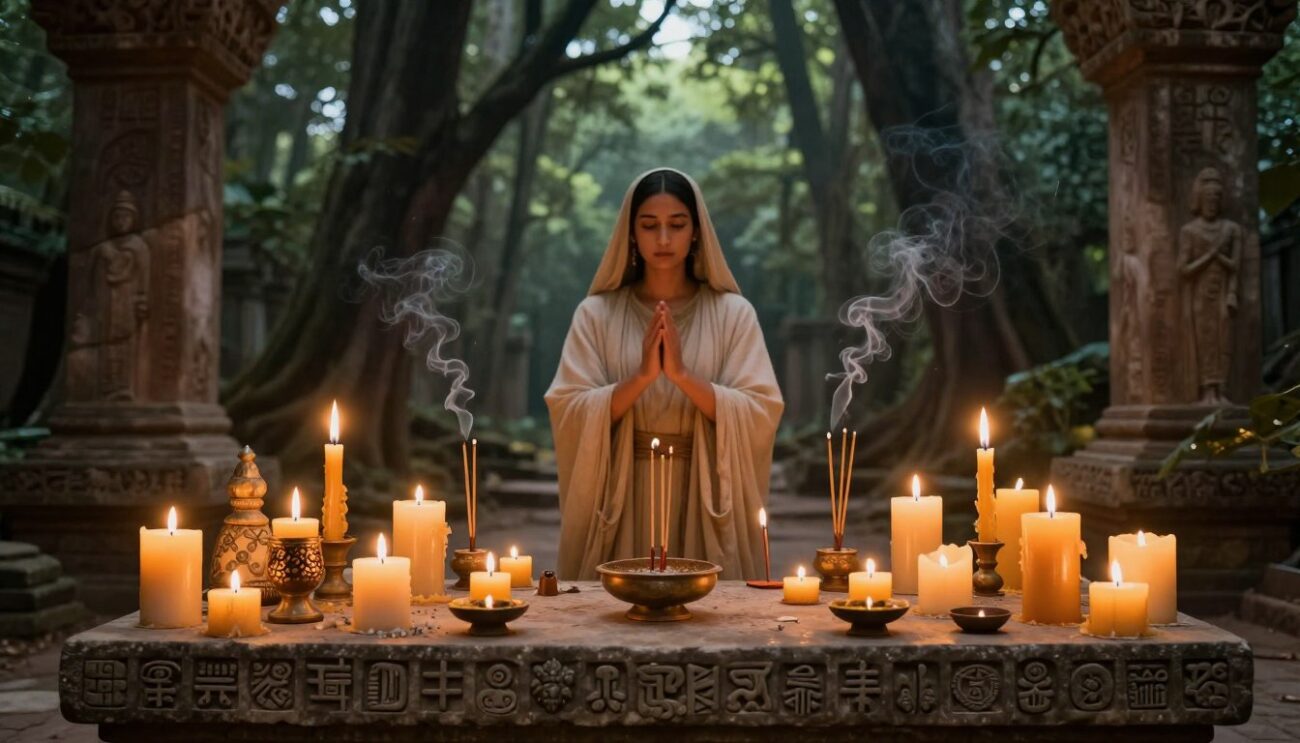
The ancient Romans later developed wicked candles using rolled papyrus dipped in tallow, which were used for both practical purposes and religious ceremonies. As civilizations evolved, so did candle-making techniques, with different cultures developing unique methods based on available resources.
Beyond their functional use, candles quickly gained spiritual significance, symbolizing the human quest for light in darkness. This symbolism has been a common thread across various cultures, where ceremonies involving candles were used to honor deities, create sacred spaces, and represent divine presence.
Candles in Rituals Across Cultures: A Universal Language
Across the globe, candles play a significant role in various rituals, embodying a shared human need for calm, reflection, and meaning. The use of candles in ceremonies and rituals is a common thread that weaves through diverse cultures and traditions, symbolizing hope and spiritual presence.
In various cultures around the world, candles are integral to rituals and ceremonies. For instance, in Europe, Polish Christmas Eve traditions involve lighting candles during dinner to symbolize Christ’s presence. Similarly, Scandinavian Lucia Day features processions led by someone wearing a crown of lit candles. In Asia, India’s Diwali, or the Festival of Lights, involves lighting diyas (small clay oil lamps) to symbolize good over evil.
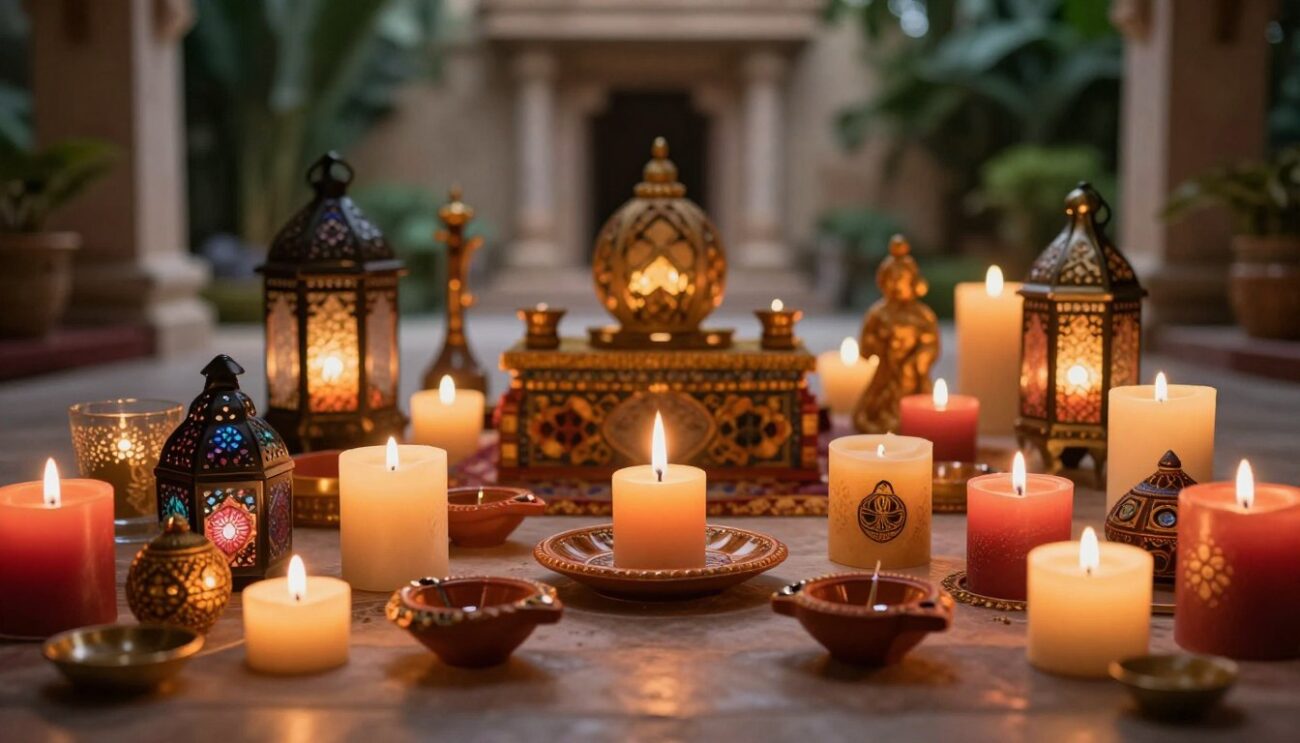
In Latin America, Mexico’s Day of the Dead features candle-lit altars to guide returning souls. In Africa, Ethiopia’s Timkat celebration uses candles to symbolize Christ’s light. These diverse traditions highlight how candles serve as a universal language, representing hope and spiritual connection across different cultures.
Despite geographical and cultural differences, the core symbolism of candles remains consistent, representing hope, spiritual presence, and human connection. The simple act of lighting a candle creates a moment of pause and intention that resonates across cultural boundaries, fostering a sense of unity and shared human experience.
The Symbolism of Flame in Spiritual Practices
In spiritual practices worldwide, the candle flame embodies a profound symbolism that speaks to the human quest for meaning and connection. The use of light and darkness as metaphors for spiritual concepts is a common thread across various traditions.
The candles serve as both a metaphor and a medium in these practices, representing the illumination of consciousness and the dispelling of darkness. The quality of a candle’s flame—steady, upward-reaching, transformative—mirrors the qualities sought in spiritual development and inner growth.
- The contrast between light and darkness represents knowledge overcoming ignorance, good triumphing over evil, and hope dispelling despair.
- The act of lighting a candle often marks a threshold moment, creating sacred space separate from ordinary life.
- Across diverse spiritual practices, the symbolism of flame transcends doctrinal differences, speaking to universal human experiences.
The use of candles in various practices highlights their significance in human culture, symbolizing the victory of good over evil and light over darkness. This universal symbolism underscores a shared human need for calm, reflection, and meaning.
Candles as Tools for Remembrance and Honoring
The act of lighting a candle is a simple yet powerful gesture that transcends cultural boundaries, symbolizing remembrance and love. In many cultures, candles are lit to honor deceased loved ones, creating a sense of connection between the living and those who have passed.
Candles serve as a universal language of remembrance, allowing people to maintain a connection with their loved ones. The lighting of a candle creates a sacred space for reflection and memory.
- The ritual of lighting a remembrance candle provides a tangible action during times of grief, symbolizing the enduring impact of a person’s life and love.
- In traditions like Mexico’s Day of the Dead and Japan’s Obon festival, candles guide ancestral spirits, illuminating the way for them to return and commune with the living.
- The practice of creating altars with candles dedicated to loved ones fosters a focal point for memory, storytelling, and honoring, helping to preserve family and cultural heritage.
By lighting candles in memory of someone, we symbolize that their presence still burns in our hearts, creating a sense of calm, reflection, and meaning.
The Science Behind Ritual Candles
Ritual candles have been a cornerstone of spiritual practices for centuries, with their significance deeply rooted in the science behind their composition and burn characteristics. We prefer candles with a steady flame, clean burn, and minimal or no scent, as distractions can break focus during meditation and rituals.
The quality of materials used in ritual candles directly impacts their effectiveness. Beeswax, for instance, has been prized for ritual use since ancient times due to its naturally sweet scent, clean burn, and ability to produce a steady, bright flame. The introduction of beeswax candles to European religious practices in the 13th century revolutionized ritual candle use.
| Wax Type | Burn Characteristics | Scent |
|---|---|---|
| Beeswax | Steady, clean burn | Naturally sweet |
| Tallow | Smoky, foul-smelling | Unpleasant |
| Paraffin | Variable burn | Often artificially scented |
The natural properties of certain waxes like beeswax help purify the air by releasing negative ions, potentially enhancing the meditative environment. Understanding the science behind different wax types and burning properties allows practitioners to select the most appropriate candle for specific ritual purposes, ensuring a safe and uninterrupted way to practice their rituals.
Incorporating Candle Rituals into Modern Life
The simple act of lighting a candle can transform our daily routines into meaningful rituals. In today’s fast-paced world, candles serve to symbolize celebration, kindle romantic relationships, calm the senses, commemorate ceremonies, and enhance home aesthetics. Candles are often used to focus the mind and open the heart, creating a visual anchor for stillness.
Daily rituals such as lighting a candle while cooking, journaling, or meditating can bring rhythm and reflection into ordinary moments. The flame becomes a gentle reminder to pause and be present. We can incorporate candlelight into our daily practices to create a sense of calm and tranquility.
| Ritual | Benefits | Practice |
|---|---|---|
| Candle Gazing (Trataka) | Improves concentration, calms the nervous system | Meditation technique |
| Journaling with a Candle | Enhances reflection, sets intentions | Writing with a candlelit ambiance |
| Yoga with Candlelight | Creates a peaceful atmosphere, encourages slower movements | Yoga practice with soft candlelight |
In our technology-saturated world, the simple ritual of lighting a candle creates a deliberate moment of pause, helping us transition between activities and mental states. By incorporating candles into our daily routines, we can cultivate mindfulness and presence, enhancing our overall wellbeing.
Creating personal rituals around candle lighting can add meaningful punctuation to daily life. Whether it’s for morning coffee, evening reflection, or weekend self-care, candles offer a versatile and accessible tool for cultivating mindfulness and presence.
Creating Your Own Meaningful Candle Rituals
We can transform ordinary moments into extraordinary experiences by lighting candles with intention. Daily rituals such as lighting a candle while cooking, journaling, or meditating can bring rhythm and reflection into our lives.
Candles often help us honor life’s transitions, from significant events like weddings and baby blessings to quiet moments of personal growth. By incorporating candles into these moments, we can create a sense of ceremony and reflection.
- Morning candle rituals can set the tone for the day, paired with intention-setting or gratitude practice.
- Evening candle lighting can release the day’s tensions and create a boundary between work and personal time.
- Seasonal candles rituals mark solstices, equinoxes, or personal milestones, acknowledging natural cycles.
| Ritual Type | Purpose | Benefits |
|---|---|---|
| Morning Candle Ritual | Sets daily intention | Enhances mindfulness, sets a positive tone |
| Evening Candle Lighting | Releases daily tensions | Promotes relaxation, separates work from personal time |
| Seasonal Candle Rituals | Acknowledges natural cycles | Creates a sense of rhythm, connects to nature |
By creating a dedicated space for our candle practice, we strengthen the ritual and signal to our minds that this is time apart from ordinary activities. Sharing candle rituals with others creates bonds of shared meaning and collective experience.
Conclusion: The Enduring Flame of Human Connection
The gentle flame of a candle has been a silent witness to the passage of time, watching as cultures and traditions evolve. Throughout our exploration, we’ve discovered that despite vast differences in beliefs and practices, the human connection to flame remains remarkably consistent.
Candles continue to play a vital role in our most significant moments, from weddings to memorials, creating sacred space in an increasingly secular world. By incorporating thoughtful candle practices into our lives, we connect with ancient wisdom traditions and create space for contemplation and presence.
As we face global challenges, the humble candle reminds us of our shared humanity and the universal need for hope and love. The flame that has illuminated human gatherings for thousands of years continues to burn brightly, inviting each new generation to discover its power.