

We all love the warm, cozy ambiance that properly lit candles bring to our homes. But, many of us unknowingly make simple candle care mistakes. These mistakes can greatly reduce their burn quality and lifespan.
Using candles can be a delightful experience, but it requires some knowledge. Incorrect usage can lead to issues like uneven burning and safety hazards. In this article, we’ll explore the most common errors people make when using candles and how to avoid them.
By understanding these simple yet important tips, you can enjoy your candles fully. This ensures a longer lifespan and a safer, more enjoyable experience.
Key Takeaways
- Understand the importance of proper candle care.
- Learn how to avoid common candle usage errors.
- Discover tips to improve burn quality and lifespan.
- Enhance your candle experience with simple care practices.
- Ensure safety while enjoying your candles.
The Science Behind a Perfect Candle Burn
Knowing how a candle burns is key to getting the most out of it. A good candle is more than wax and a wick. It’s a product made with care, where each part works well together.
How Candles Are Designed to Burn
Candles are made to burn in a certain way. The wax is the fuel, and the wick pulls it to the flame. Proper candle burning tips show how important this balance is.
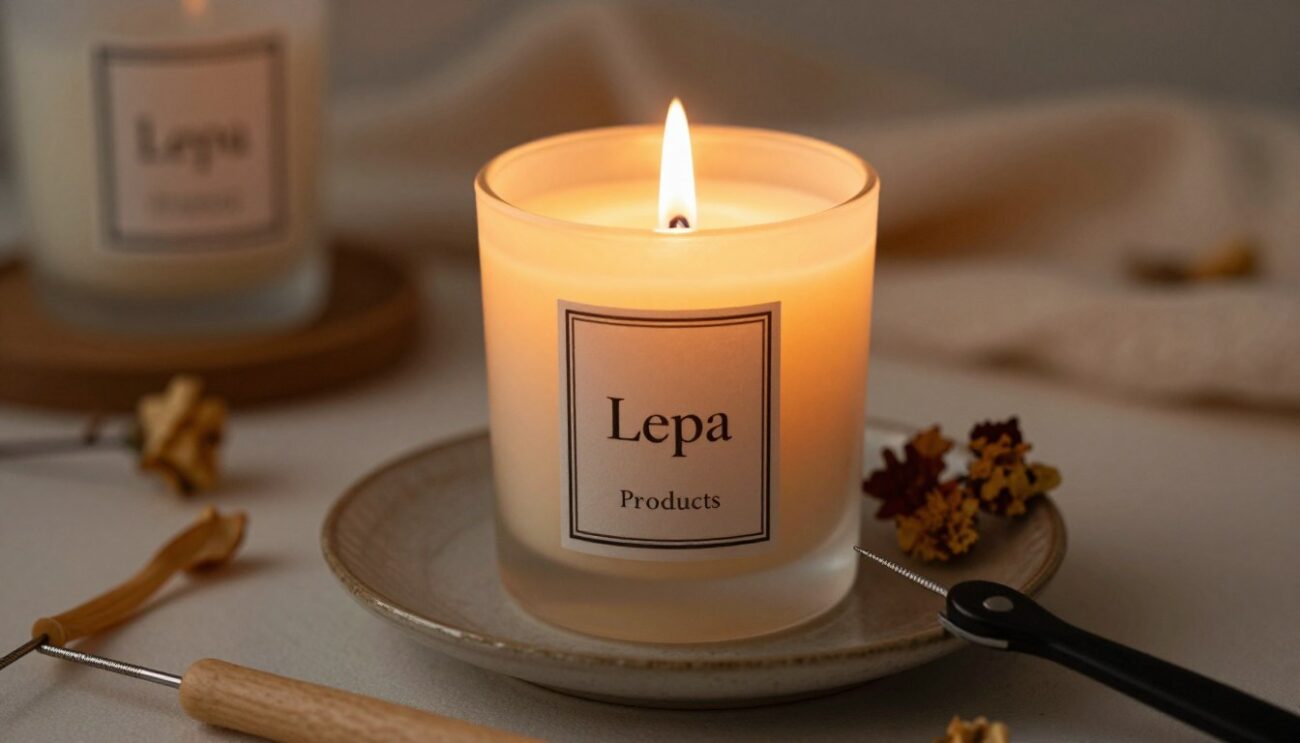
The Relationship Between Wax, Wick, and Fragrance
The wax type changes how well a candle burns. Different waxes melt at different temperatures and are harder or softer. The wick’s size and material also matter for burning efficiency. Fragrance oils can affect the burn if not balanced right. Following candle safety tips helps these elements work together well, for a clean burn.
Understanding these parts helps you see the effort in making a candle that burns perfectly. It makes your candle experience better.
Common Candle Mistakes That Ruin Your Experience
Burning candles can be a delightful experience, but certain mistakes can compromise their safety and efficiency. We often encounter issues that affect not only the burn quality but also the overall ambiance we aim to create.
Overview of Typical Errors
Common candle mistakes include not trimming the wick, placing candles in drafty areas, and burning them for too short or too long periods. These errors can lead to uneven melting, excess smoke, and reduced fragrance performance. By understanding these typical mistakes, you can take steps to avoid them.
How These Mistakes Impact Performance and Safety
When candles are not burned correctly, it can result in a range of issues. For instance, a wick that’s too long can cause the flame to be too high, potentially leading to excess soot production or even a fire hazard. Burning a candle in a drafty area can cause the flame to flicker, leading to uneven burning and wasted wax.
Signs Your Candle Isn’t Burning Properly
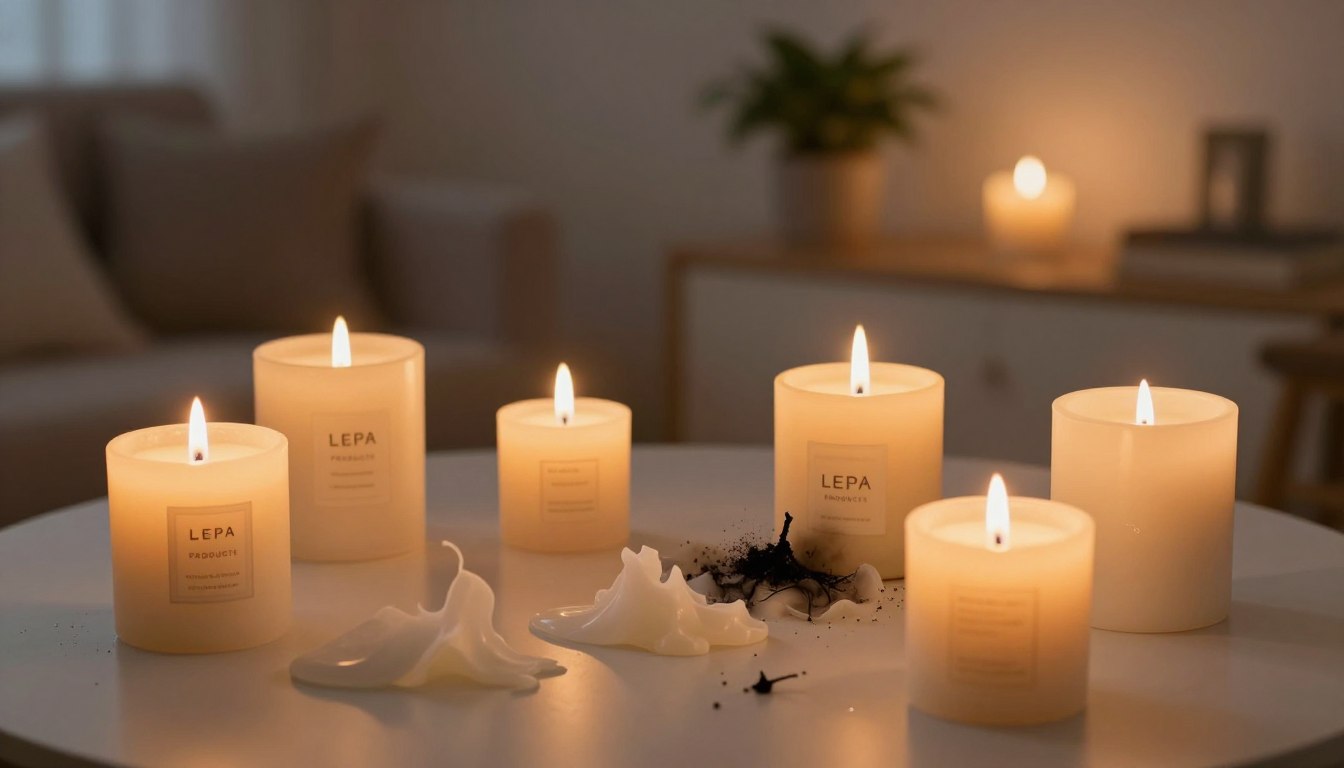
If your candle is tunneling (where the wax near the wick melts, creating a tunnel effect), producing excessive soot, or not emitting the expected fragrance, it’s likely not burning correctly. Recognizing these signs early can help you correct your candle-burning habits and ensure a safer, more enjoyable experience.
By being aware of these common candle mistakes and taking steps to avoid them, you can enhance your candle-burning experience. This ensures that your candles burn cleanly, efficiently, and safely.
The Neglected Wick: Trimming and Maintenance
The wick is often overlooked, but it’s key to a candle’s quality. Keeping the wick in good shape ensures a clean burn. Neglecting it can cause problems.
Why Wick Length Matters
The wick’s length affects how well a candle burns. A too-long wick can make the flame too high, causing smoke and soot. A wick that’s too short might not heat the wax enough, leading to “tunneling.”
How to Properly Trim Your Wick
Trimming the wick is essential. Trim it to about 1/4 inch before each use. This keeps the burn consistent and clean. Regular trimming also stops mushrooming, where carbon builds up.
Dealing with Mushrooming and Carbon Buildup
Mushrooming happens when the wick gets clogged with carbon, making it misshapen. To avoid this, trim your wick often and keep the candle clean.
By following these tips, you can greatly improve your candle’s burn and lifespan. These steps are part of our candle maintenance advice and candle burning tips.
Burn Duration Dilemmas: Too Short vs. Too Long
Knowing the right burn time for your candle is key to avoid waste and fire risks. How long you burn your candle affects its performance and safety.
The Dangers of Quick Burns and Wax Waste
Burning a candle too quickly can cause wax waste and “tunneling.” This is when the wick burns a hole in the center, leaving wax untouched. To prevent this, burn your candle long enough for the wax to melt evenly. This ensures a balanced burn and extends your candle’s life.
Overburning Consequences and Fire Hazards
Burning a candle too long can make the wax overheat, posing a fire risk. It can also make the wick too long, leading to more smoke or soot. It’s important to watch the burn time and trim the wick to keep the burn safe and clean.
Finding the Ideal Burn Time for Different Candle Types
Each candle type has its own ideal burn time. For example, container candles should not be burned for more than 4 hours at once. Pillar candles can be burned longer, but it’s essential to keep an eye on them. Knowing your candle’s specific needs helps ensure a safe and enjoyable burn.
By paying attention to burn time and following candle safety tips, you can safely enjoy your candles. Always check the manufacturer’s guidelines for the best burn time and care.
First Burn Failures: Preventing the Dreaded Tunneling
The first burn of a candle is key to its life. A good first burn can stop tunneling. Tunneling happens when wax near the wick melts, leaving wax untouched around the edges.
Candle Memory and Wax Pools
Candle memory is how much wax melts first, shaping future burns. To get a good memory, let the wax pool reach the container’s edges.
Creating the Perfect First Burn
For a perfect first burn, let the wax pool touch the container’s edges. This stops tunneling and ensures even burning.
Rescuing a Tunneled Candle
If your candle has tunneled, you can fix it. Wrap it in foil and heat it gently to melt the wax around.
| Candle Care Tip | Description | Benefit |
|---|---|---|
| Burn for 2-3 hours | Allows wax pool to reach edges | Prevents tunneling |
| Trim wick to 1/4 inch | Reduces soot and ensures even burn | Promotes clean burn |
| Avoid drafts | Prevents uneven burning | Ensures consistent burn pattern |
By following these candle best practices, you can enjoy a clean burn all the way through.
Environmental Factors: Drafts, Humidity, and Placement
To make sure your candle burns well and safely, think about the environment. Things like drafts, humidity, and where you place it can really affect your candle. They can change how it burns and how long it lasts.
How Air Flow Affects Your Candle’s Performance
Air flow is key when it comes to burning candles. Drafts can make the flame dance, leading to uneven burning. This can also be a safety hazard. So, it’s best to keep your candle away from strong air currents.
Ideal Placement for Even Burning
Candles should sit on a solid, heat-safe surface. Keep them away from windows, vents, and doors. This helps them burn evenly and keeps accidents at bay.
Seasonal Considerations for Candle Care
Seasons can pose different challenges. In humid weather, candles might not burn as well. Keep an eye on your candle and adjust its spot if needed. This ensures optimal burning conditions.
By paying attention to these environmental factors and following candle maintenance advice, you can get a cleaner, more efficient burn.
Choosing the Right Candle for Your Space
Finding the perfect candle can change your space. You need to think about a few things. These include the room size, wax type, and how it affects the burn and scent.
Matching Candle Size to Room Dimensions
The room size is key when picking a candle. A big room needs a candle with a strong scent. But a small room should have a candle with a milder scent.
For larger spaces, a bigger candle or several candles work best. This ensures the room is filled with fragrance.
| Room Size | Candle Size | Fragrance Strength |
|---|---|---|
| Small | Small to Medium | Mild to Moderate |
| Medium | Medium to Large | Moderate to Strong |
| Large | Large | Strong |
Understanding Wax Types and Their Burning Properties
Wax types burn differently. Soy wax burns cleaner and longer than paraffin wax. Beeswax candles have a natural scent and a warm light.
How Formulation Affects Burn Quality and Fragrance Throw
The candle’s formula is very important. It includes the wax, wick size, and scent load. A well-made candle burns evenly and smells great.
“A good candle is not just about the wax; it’s about how all the components work together.”
Thinking about these points helps you pick a candle. It will make your space better and burn safely.
Maximizing Your Candle’s Potential
Proper candle care is key for a safe and enjoyable burn. Avoiding common mistakes and following simple tips can improve your candle’s quality and life span.
We’ve talked about the importance of wick trimming and maintenance. We also discussed how drafts and humidity affect your candle. By understanding these factors and taking steps to control them, you can get a cleaner, more efficient burn.
To get the most from your candle, follow safety tips. Keep your candle away from flammable materials and never leave it alone. Trimming your wick regularly and ensuring a proper first burn also helps a lot.
By adding these tips to your routine, you’ll enjoy a longer-lasting, more fragrant candle. It will add warmth and welcome to your space.