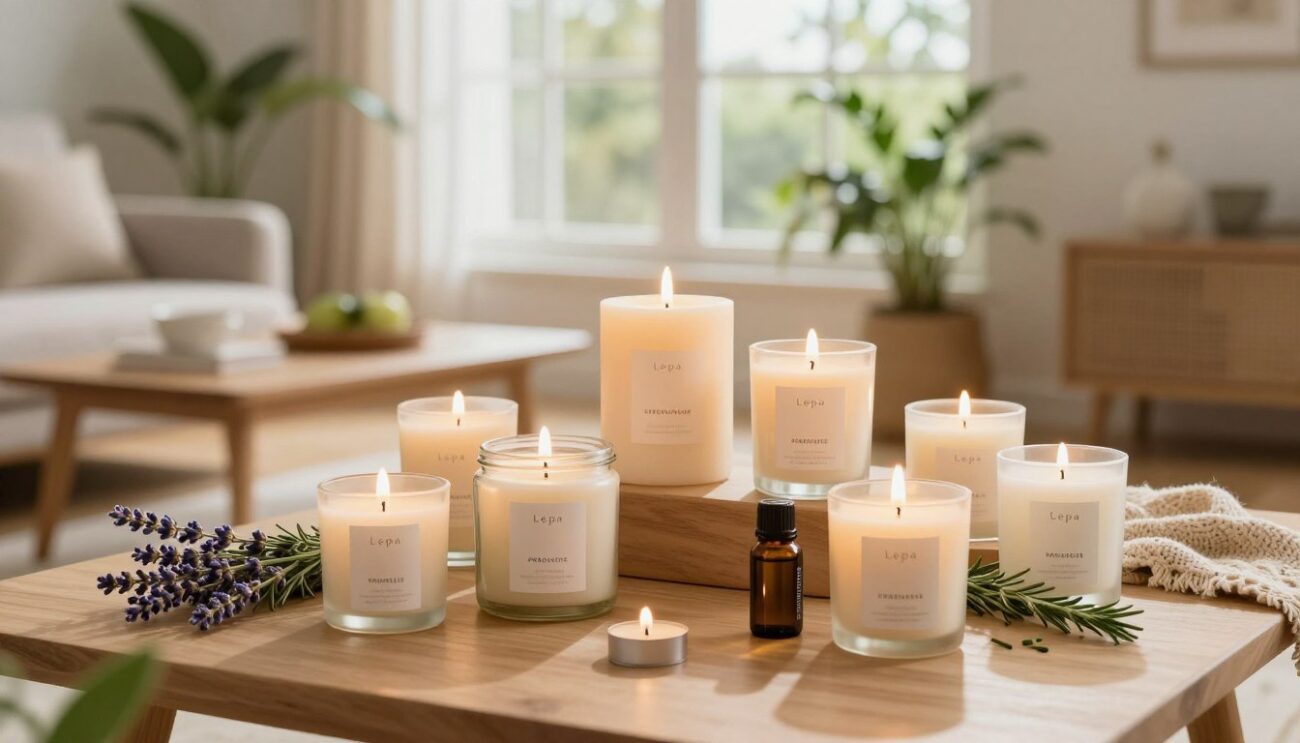


As we make our homes cozy with warm, inviting scents, we might wonder about their effect on our air. We love the smell and feel they add, but what’s really in them?
At Lepa Products, we focus on making homes warm and welcoming without risking health. We create high-quality, non-toxic candle options that fill your space with fragrance and burn cleanly.
It’s key to know what’s in scented candles and how they might affect our air. In this article, we’ll look into the safety of scented candles. We’ll also share tips on picking the best candles for a healthier home.
Key Takeaways
- Understanding the components of scented candles is key for safe use.
- Non-toxic candle options are available for a healthier indoor environment.
- Clean-burning candles can reduce indoor air pollution.
- Daily use of scented candles needs thought about their air quality impact.
- Choosing high-quality candles is vital for safe daily use.
Understanding Scented Candles and Their Components
Scented candles add a nice touch to our homes. But knowing what’s in them is key to their safety and quality. It’s important to understand what makes up scented candles.
Common Ingredients in Scented Candles
Scented candles have fragrances and wax. Fragrances can be natural or made in a lab. Wax can be paraffin, soy, or beeswax.
Natural vs. Synthetic Fragrances
Fragrances in candles can come from nature or be made in a lab. Natural fragrances are safer and offer a real scent. Synthetic fragrances are consistent but might have harmful chemicals.
Wax Types: Paraffin, Soy, and Beeswax
The wax in a candle affects its quality and safety.
- Paraffin wax is common but can release toxic fumes when burned.
- Soy wax is eco-friendly and burns cleaner than paraffin.
- Beeswax is natural, has a nice scent, and purifies the air.
When picking scented candles, keep these tips in mind:
- Choose natural fragrances to avoid synthetic chemicals.
- Go for soy or beeswax wax for safer, eco-friendly options.
- Check for clear labels on ingredients and making.
Knowing what’s in scented candles helps us pick better ones. This way, we can enjoy their beauty and benefits safely.
Potential Health Risks of Scented Candles
Scented candles are nice to look at and smell good. But they can also pose health risks. It’s important to know these risks when we use them.
Allergens and Respiratory Issues
Scented candles can release allergens and irritants into the air. This can make breathing problems like asthma worse. Choosing candles with hypoallergenic fragrances or going fragrance-free can help avoid allergic reactions.
When we burn scented candles, they release particles into the air. These particles can go deep into our lungs. This can cause breathing problems, mainly for those with existing conditions. Good air flow in the room can help lessen this risk.
Toxic Emissions: What to Watch For
Some scented candles, like those made from paraffin wax, can release harmful chemicals like toluene and benzene. These chemicals can cause headaches, dizziness, and breathing problems. Choosing candles made from soy or beeswax can lower the risk of exposure to these toxins.
Also, some candles have wicks with lead or heavy metals. These are released into the air when the candle burns. Using candles with cotton or paper wicks can avoid this risk.
Risks for Vulnerable Groups
Groups like children, pregnant women, and people with health issues are more at risk from scented candles. These groups need to be extra careful or avoid scented candles.
For families with kids or pets, keeping candles away from them is key to preventing accidents. Making sure candles are on stable holders and not left burning alone can prevent fires and other dangers.
Knowing about these health risks and taking steps to reduce them lets us enjoy scented candles safely. This way, we can enjoy their smell and look without harming our health.
Benefits of Using Scented Candles Daily
Adding scented candles to your daily life can change your home and mood. Long-lasting scented candles make your space calm and cozy. They’re great for relaxing every day.
Choosing eco-friendly candle choices improves your home’s feel and health. Scented candles make your home warm and welcoming. They’re perfect for unwinding after a busy day.
Enhancing Mood and Well-being
Scented candles can really affect your mood. Their soft light and fragrances reduce stress and anxiety. They help you feel calm and relaxed.
Certain scents, like lavender and vanilla, are calming. They can make you feel better.
- Lavender: Known for its calming effects and ability to promote relaxation.
- Vanilla: Offers a comforting and soothing atmosphere, ideal for unwinding.
- Jasmine: Can uplift your mood and create a sense of serenity.
Creating a Calming Atmosphere
Scented candles create a peaceful vibe in our busy lives. Lighting a candle signals it’s time to relax. It helps you calm down and manage stress.
Pair candles with meditation or reading for more relaxation. This mix creates a calm and peaceful space.
Aromatherapy and Stress Relief
Aromatherapy is known for stress relief, and candles are a great way to enjoy it. They release fragrances that calm the mind and reduce anxiety.
- Choose candles with natural ingredients to avoid harsh chemicals.
- Opt for candles with essential oils for a more authentic aroma therapy experience.
- Consider the burn time and fragrance throw to ensure a consistent and enjoyable experience.
Using scented candles daily brings aromatherapy home. They help you relax, unwind, or just enjoy a cozy atmosphere. They’re a great part of self-care.
Choosing Safe Scented Candles for Daily Use
Choosing the right scented candles is key to a safe and cozy home. It’s important to pick candles that are safe and healthy. We’ll show you how to make the best choice.
Look for Natural Ingredients
Choosing candles with natural ingredients is a big step towards a healthier home. Natural waxes like soy, beeswax, or coconut wax are better than paraffin wax. They don’t release harmful toxins when lit. Also, essential oils or natural fragrances are safer than synthetic scents.
Certifications and Safety Standards
When you buy candles, look for ones that meet safety standards. Certifications from trusted groups show a product is safe and works well. Clean-burning candles without harmful chemicals are safer for everyday use. Make sure the maker follows strict safety protocols and labels the materials used clearly.
Brands Known for Safety
Choosing a brand that values safety and quality is important. Some brands focus on clean-burning candles with organic candle scents. Lepa Products is known for its safe and high-quality candles. Researching and picking well-known brands is key to ensuring your candles are safe.
Proper Usage of Scented Candles
To enjoy your scented candles fully, use them correctly. Doing so makes the burning better, safer, and more beneficial.
Recommended Burn Times
Burning your candle for the right time is key. For the first burn, let the wax melt all over to avoid tunneling and ensure even burning. For later burns, burn it for 2 to 4 hours. This prevents too much heat and keeps the wick from getting too long.
Remember to trim the wick to 1/4 inch before each use. This step helps for a clean, even burn and stops soot or smoke.
Placement and Ventilation Tips
Where you place your candle matters a lot. Keep candles away from flammable things like curtains, bedding, or furniture. Make sure they sit on a stable, heat-safe spot where they won’t fall.
Ventilation is key. Scented candles can make your home smell nice, but burning them in a well-ventilated area stops fume buildup. Don’t burn candles in small, closed spaces without good air flow.
Timing: When to Light Your Candles
Lighting your candles at the right time can make them more enjoyable. Light them when you’re relaxing, like in the evening, to create a peaceful vibe. Don’t light them when you’re busy or distracted.
Think about the occasion and what you need. For example, soft candlelight can make meditation or reading better. Pay attention to your surroundings and adjust your candle use as needed.
Maintaining Indoor Air Quality
Keeping your home’s air clean is as key as picking the right scented candles. Good air quality means a healthier home. There are many ways to make this happen.
Alternatives to Fragrant Candles
Worried about scented candles’ impact on air quality? Look into other options that offer a cozy feel without the downsides. Here are a few:
- Essential oil diffusers, which fragrance the air without burning
- Reed diffusers, giving a flameless scent all day
- Potpourri or scented sachets, a natural and chemical-free way to add fragrance
Air Purifiers and Ventilation
Air purifiers are key in keeping the air clean by removing harmful particles. Ventilation is also vital for fresh air. Here’s how to boost it:
- Open windows often to let in fresh air
- Use exhaust fans in kitchens and bathrooms to clear out moisture and pollutants
- Install vents or whole-house systems for better air flow
Importance of Clean Surfaces
Clean surfaces are essential for air quality. Dust and dirt can turn into airborne pollutants. Clean with a damp cloth to cut down on dust and pollutants. Pay extra attention to areas around candles, vents, and where dust often gathers.
By using these methods, you can have a healthier home while enjoying the cozy feel of scented candles. Mix these practices with safe candle use for a balanced, pleasant home atmosphere.
The Best Practices for Candle Safety
To keep your home safe from candle risks, it’s key to follow safety tips. Lepa Products makes candles with safety in mind. We want to help you enjoy them safely.
Never Leave Candles Unattended
One top candle safety tip is to never leave candles burning alone. Always watch them when lit. Make sure candles are out of children’s and pets’ reach to avoid accidents.
Extinguish candles when you leave the room or sleep. This simple step can greatly lower accident risks.
Keeping Candles Away from Flammable Objects
It’s also vital to keep candles away from flammable objects. This includes curtains, bedding, and other materials that can easily catch fire. Always keep a safe distance from these items to prevent fires.
- Keep candles at least 12 inches away from anything that can burn.
- Avoid placing candles near open windows or air vents, as drafts can cause the flame to flicker uncontrollably.
- Never place candles on or near flammable surfaces.
How to Extinguish Candles Safely
When it’s time to put out your candle, do it safely. The best way to extinguish candles is with a snuffer. This method stops hot wax splatters and lowers fire risks.
- Gently place the snuffer over the flame to cut off the oxygen supply.
- Ensure the wick is centered and not too long, as this can cause the flame to be too high.
- Never use water to extinguish a candle, as this can cause the wax to splatter and potentially lead to a mess or injury.
By following these safety tips, you can enjoy your scented candles safely. At Lepa Products, we aim to help you create a cozy atmosphere with our candles.
Conclusion: Enjoy Scented Candles Responsibly
Scented candles can make daily life better, improving mood and creating a calm space. To use them safely, it’s important to know what they’re made of and how to use them.
Daily Rituals for a Healthy Home
Adding scented candles to your daily routine can help you relax and feel better. Choose candles with natural ingredients and burn them correctly. This way, you can make a peaceful space that’s good for your health.
Balancing Ambiance and Safety
Ambiance and safety can go hand in hand. Knowing what candles you use lets you enjoy a cozy atmosphere safely. Making smart choices is the key to finding this balance.
Empowering Informed Choices
At Lepa Products, we help our customers make smart choices about candles. We offer high-quality, safe products and teach our customers how to use them. Our goal is to help you have a safe and enjoyable candle-burning experience.
Being careful about the candles you use and how you use them can bring many benefits. You can enjoy scented candles while keeping your home healthy. We encourage you to explore scented candles safely and make informed choices.